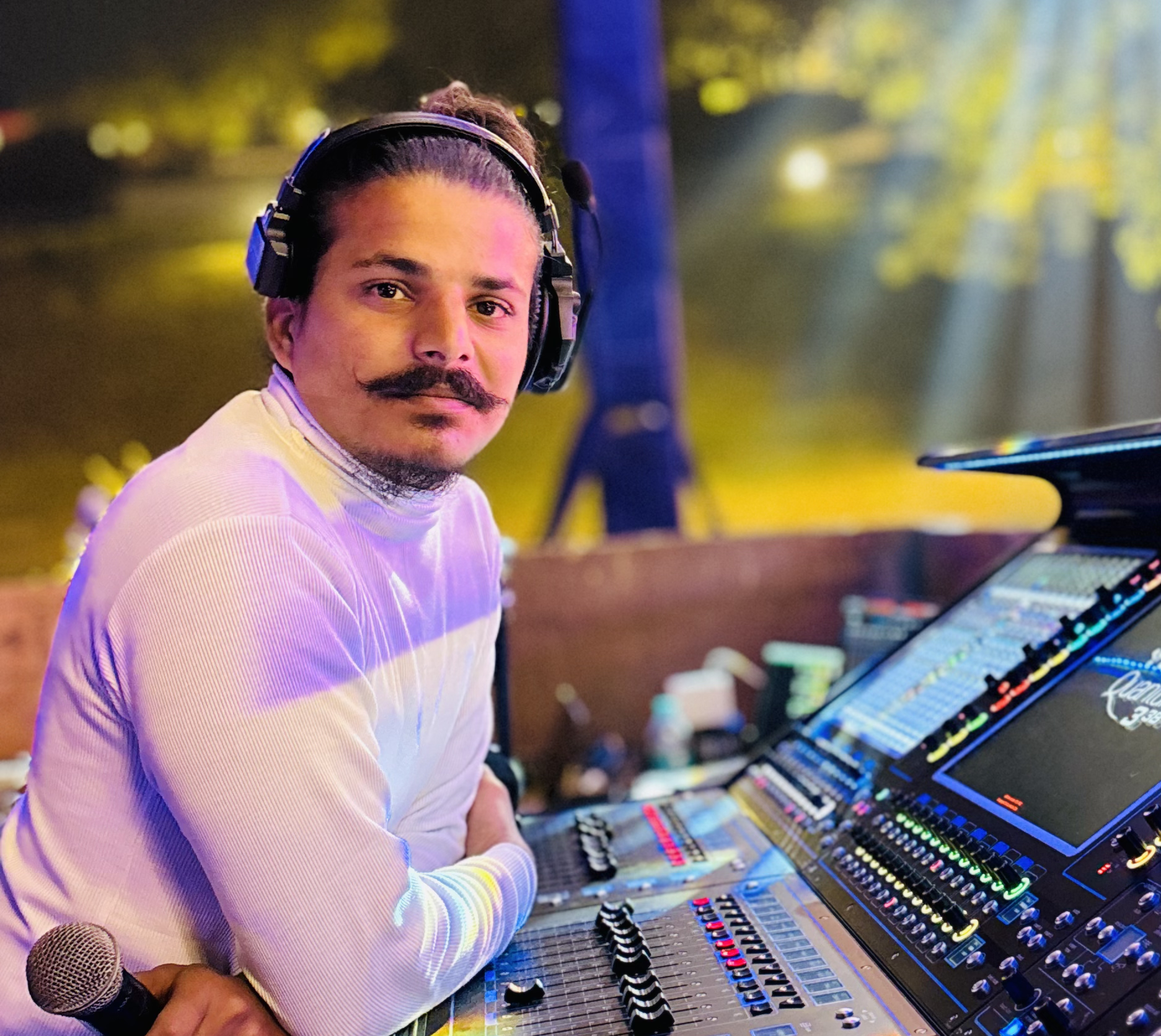
For over a decade, Yamaha’s CL and QL series consoles have served as the indestructible backbone of touring sound, corporate theater, and broadcast facilities. The introduction of the **Yamaha DM7 series** (DM7 and DM7 Compact) marks a major generational leap: a native 96kHz FPGA processing engine, high-density multi-touch capacitive displays, onboard broadcast packaging, intelligent assistive DSP algorithms, and seamless 144-channel Dante integration. Let's break down the essential routing strategies and operational workflows for engineers transitioning to the DM7.
1. Processing Power & Hardware Architecture: DM7 vs. CL5
Under the hood, the DM7 represents a significant jump in channel density and sample rate:
- Sample Rate: Native 96kHz processing throughout the entire internal mixing engine (compared to the 48kHz native architecture of CL/QL).
- Channel Capacity: The full-size DM7 delivers up to **120 mono input channels**, 48 Mix buses, 12 Matrix buses, and 2 Stereo buses. The DM7 Compact provides 72 input channels and 48 Mix buses in an ultra-portable 16-fader frame.
- Dante I/O: Built-in 144 inputs and 144 outputs of Dante over redundant etherCON ports at 96kHz, eliminating the need for optional PCIe expansion cards for high-density setups.
2. Dual-Screen "Split Mode": Two Consoles in One Frame
One of the DM7’s most powerful operational features is **Split Mode**. By splitting the console's processing and surface controls into two independent operating zones, a single DM7 can act as two separate mixing consoles:
- FOH and Monitors on One Surface: The main screen and left fader bank can be assigned to the Front of House mix, while the right screen and fader bay handle stage In-Ear Monitors (IEMs), complete with separate cue busses and headphone outputs.
- FOH and Live Broadcast Stream: One engineer can manage the live room acoustics while a second engineer mixes the livestream audio feed using dedicated broadcast compression and loudness metering.
3. Assistive DSP: Assist GainFinder & EQ Assist
Yamaha has incorporated assistive machine learning tools directly into the channel strip to accelerate soundcheck workflow without taking control away from the mix engineer:
- GainFinder: Analyzes the incoming analog preamp signal during line check and automatically suggests optimal digital gain staging to preserve dynamic headroom while keeping noise floor to an absolute minimum.
- EQ Assist: Listens to problematic vocal or acoustic instrument inputs, detects harsh resonant peaks or low-mid mud, and suggests parametric filter notches that you can audition and fine-tune in real time.
- Dan Dugan Speech Automixing: Up to 64 channels of automatic microphone mixing are built natively into the channel strips, essential for panel discussions, corporate keynotes, and multi-mic theater.
4. Premium Plugin Rack & Virtual Circuitry Modeling (VCM)
The DM7 comes loaded with Yamaha’s acclaimed **VCM (Virtual Circuitry Modeling)** processors and Rupert Neve Designs collaborations:
Engineers have access to the **Rupert Neve Designs Portico 5033 EQ** and **Portico 5043 Compressor**, the **BSS DPR-901ii Dynamic EQ**, the **Eventide H3000 Live Harmonizer**, and Yamaha’s **REV-HD** multi-effects engines. Furthermore, the DM7 features native software integration with **Steinberg Nuendo Live** and Yamaha’s **ProVisionaire** control ecosystem.
Summary
The Yamaha DM7 series successfully merges the legendary reliability of Yamaha’s legacy consoles with modern 96kHz fidelity, modular screen workflows, and intelligent DSP. Whether you are running complex festival multi-acts or precision corporate events, the DM7 delivers unprecedented control in a compact physical footprint.