

Walk into any top-tier commercial recording studio—from Abbey Road in London to Sunset Sound in Los Angeles—and behind the glass you will find the exact same core microphones. These aren't just expensive status symbols; they are acoustic problem-solvers that have defined the sound of recorded music for generations.
Here is why these 5 studio holy grails earn their spot on every session and how to use them to get album-grade tracks.
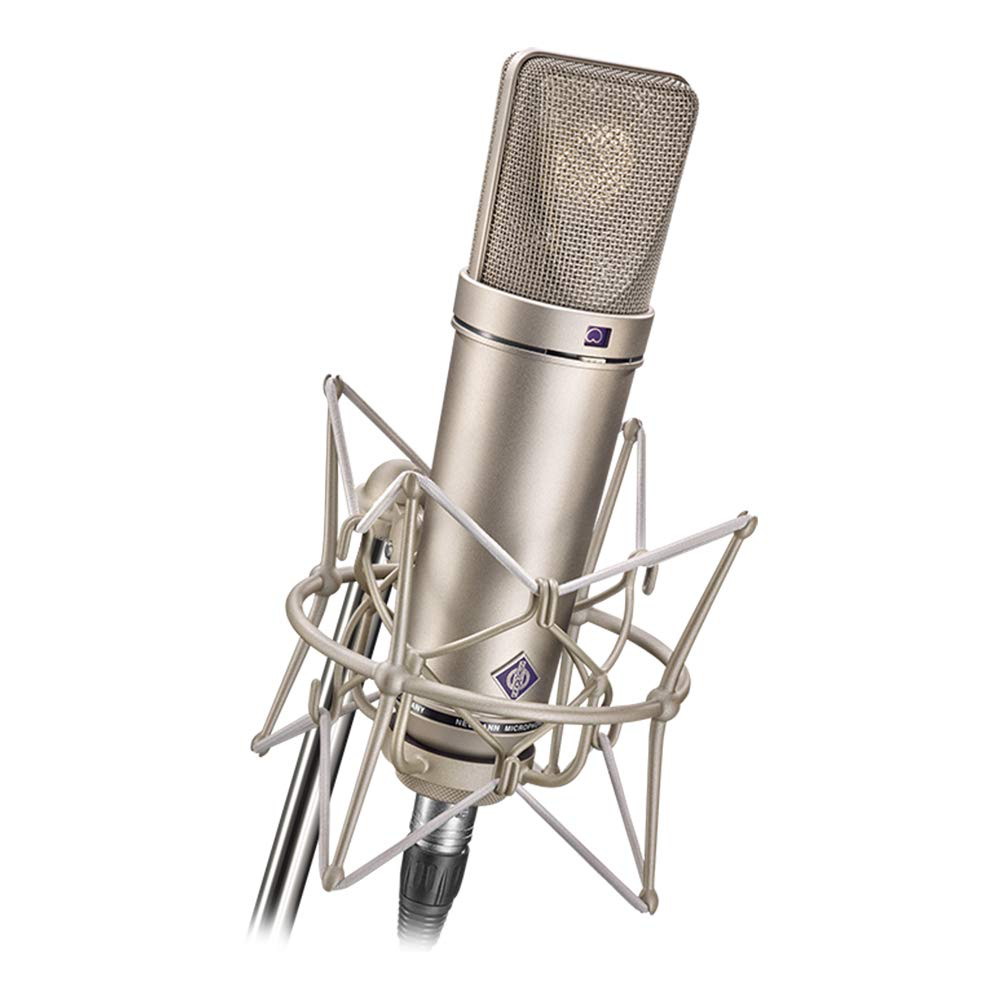
Figure 1: The Neumann U87 Ai Large Diaphragm Condenser.
1. Neumann U87 Ai: The Vocal Gold Standard
- Type: Large Diaphragm Condenser (Multi-Pattern: Omni, Cardioid, Figure-8).
- The Sound: Rich low-mid weight, velvety midrange, and a mix-ready presence lift around 8-10 kHz that helps vocals sit right on top of a dense production without sounding harsh.
- Why It's a Legend: The U87 is forgiving. Even when a singer gets excited and sings louder, the U87 maintains a full, controlled, flattering image. It is the premier choice for pop/rock lead vocals, voiceovers, acoustic grand piano, and cello.
2. AKG C414 XLS: The Studio Swiss Army Knife
- Type: Multi-Pattern Large Diaphragm Condenser (9 Selectable Polar Patterns).
- The Sound: Laser-accurate, neutral, and unhyped. What you hear in the room is exactly what comes out of the monitors.
- Why It's a Legend: If you could only bring one pair of microphones to record an entire album, you'd bring a pair of C414s. With 9 polar patterns, 3 bass-cut filters, and 3 pad settings (up to -18 dB), you can use them on drum overheads, acoustic guitar stereo pairs, horn sections, upright bass, and background vocals.
3. Shure SM7B: The Rock & Broadcast Titan
- Type: Large-Chamber Dynamic Moving-Coil.
- The Sound: Warm, punchy, radio-ready low end with natural transient smoothing that tames screechy, sibilant vocalists.
- The Real-World Reality: Famously used on Michael Jackson's Thriller, the SM7B is beloved because it ignores untreated room acoustics. But be warned: it has very low output sensitivity (-59 dBV). If you plug it into a cheap budget audio interface, you will need to crank the gain to 100% and get preamp hiss unless you use a high-gain inline booster (like a Cloudlifter or FetHead) or a dedicated discrete preamp.
4. Electro-Voice RE20: The Proximity-Free King
- Type: Heavy-Duty Dynamic with Variable-D Acoustic Ducting.
- The Sound: Exceptionally flat, punchy, and completely free from proximity effect bass-bloat.
- Why It's a Legend: The RE20 is the voice of American radio broadcast, but studio engineers love it on kick drums and bass guitar amps. Because it doesn't build up boomy low-end mud when placed close, it captures the real, un-hyped low-end punch of a kick drum with punchy beater articulation.
5. Royer R-121: The Guitar Cabinet Savior
- Type: Pure Aluminum Velocity Ribbon (Figure-8).
- The Sound: Thick, organic, woody, with a buttery top-end roll-off that sounds identical to standing 5 feet in front of a roaring tube amplifier.
- Why It's a Legend: Before the R-121 was introduced in 1998, vintage ribbons were too fragile to put near loud guitar amps. The R-121 handles 135 dB SPL effortlessly. Pairing an R-121 with an SM57 on an electric guitar cab is the #1 secret weapon used on modern rock and metal records.
(Check your balanced audio cables and phantom power lines with our XLR Pinout Tool).